A ruling that overturns a unanimous line of case law
Our Firm, through attorneys Massimo Colicchia and Federico Novelli, has obtained a landmark victory in the hydroelectric sector. By judgment No. 6277/2026, the Second Section of the Consiglio di Stato (Council of State) granted the appeal filed by a major energy operator – represented by the Firm at both levels of the proceedings – in full, overturning the unfavourable decision of the TAR Lazio (Regional Administrative Court for Lazio) No. 13567/2022 and departing from the unanimous line of administrative case law that had consistently endorsed the position of the GSE (Gestore dei Servizi Energetici – the Italian Energy Services Manager).
The Dispute
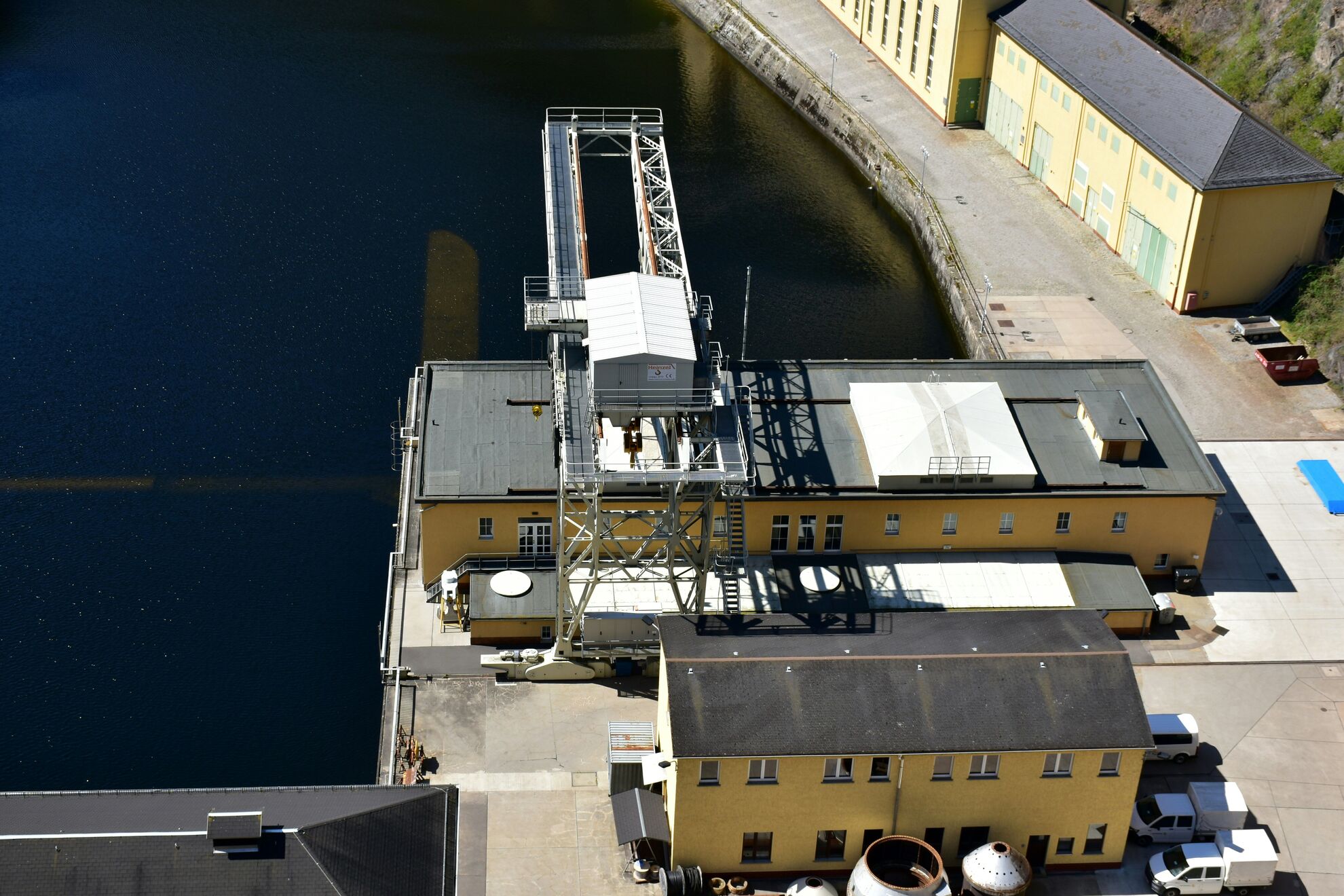
The dispute concerned the classification of a hydroelectric plant fed by the minimum ecological flow (Italian: deflusso minimo vitale, “DMV”), i.e., the water flow that a dam must mandatorily release to ensure the survival of the downstream river ecosystem. By a decision dated 13 September 2016, the GSE had classified the plant as “reservoir/basin” (a bacino/serbatoio), granting the lower incentive tariff of € 101/MWh instead of the € 219/MWh tariff applicable to “run-of-river” (ad acqua fluente) plants under the Ministerial Decree of 6 July 2012. To support its decision, the GSE relied on the structural connection between the plant and the upstream reservoir, invoking the UNIPEDE technical standards on “derivations with water reserves.”
Until this ruling, the GSE’s position had been systematically upheld by the courts: the Consiglio di Stato itself, in multiple decisions of the same Section, had held that DMV plants, being structurally connected to a reservoir, must follow the classification of the main plant. The TAR Lazio, in its first-instance judgment, had adhered to this approach and dismissed the application.
The Litigation Strategy
In the face of a solid and unfavorable body of case law, the Firm advanced the opposite argument, contending that the client operated a non-dispatchable plant, fed by water flows mandatorily imposed by the granting authority and not subject to modification by the producer. A decisive factor was obtaining from the Consiglio di Stato an order for a court-ordered technical verification (verificazione tecnica), entrusted to the Secretary General of the Autorità di Bacino Distrettuale delle Alpi Orientali (Eastern Alps District Basin Authority), who confirmed in full the arguments set forth in the appeal.
The Principles Established by the Ruling
Accordingly, the Consiglio di Stato, on the basis of the verification findings and the grounds of appeal, established four fundamental principles.
First, the plant that exploits the ecological flow is not placed “in series” with the upstream reservoir power station. Although it is structurally linked to the same dam, its operation is functionally independent from the reservoir: when the main derivation is inactive, the DMV plant continues to operate within the limits set by environmental regulations.
Second, the decisive criterion for the classification of hydroelectric plants is the dispatchability (programmabilità) of production, understood as the ability to regulate the release of water in order to exploit it during periods of peak demand. The Section clarified that the concept of “dispatchability” must not be confused with that of “predictability”: the fact that the ecological release flow is constant and predictable does not make it controllable by the producer.
Third, the extension clause of the UNIPEDE standard – which assimilates to the same category derivations “directly connected” to an upstream reservoir – applies exclusively to “in-series” plants, fed by the discharge of the main power station, and not to plants relying on environmental releases, which are functionally disconnected. The ruling further noted that at the time the UNIPEDE criteria were drafted (1991), the category of energy recovery from DMV did not exist, as it has developed only recently.
Fourth, the Court found full consistency between Legislative Decree No. 387/2003, the UNIPEDE technical standards, the subsequent EURELECTRIC classification – which expressly includes plants that “receive (or utilize) releases for ecological flow” among run-of-river plants – and the Ministerial Decree of 4 July 2019, which links the classification to the “actual ability of the hydroelectric producer to retain or not retain the water supply for deferred energy use.”
Recovery of the Tariff Differential
The ruling paves the way for the full recovery of the amounts not paid to the client, since the incentive must be recalculated according to the amounts provided for run-of-river plants from the very beginning of the incentive period. The judicial annulment, indeed, has retroactive effect (ex tunc): the GSE decision, insofar as it classified the plant as “reservoir,” is removed from the legal order as if it had never existed, with the consequence that the producer is entitled to the correct tariff from the outset.
* * *
For further information or clarifications on the matters discussed in this article, please contact attorneys Massimo Colicchia and Federico Novelli at the following email addresses:
Todarello & Partners provides legal assistance on all issues relating to the matters covered in this article. The Firm’s attorneys possess significant experience in this area, regularly advising some of the leading operators active on the market and representing them in proceedings before all competent jurisdictions.